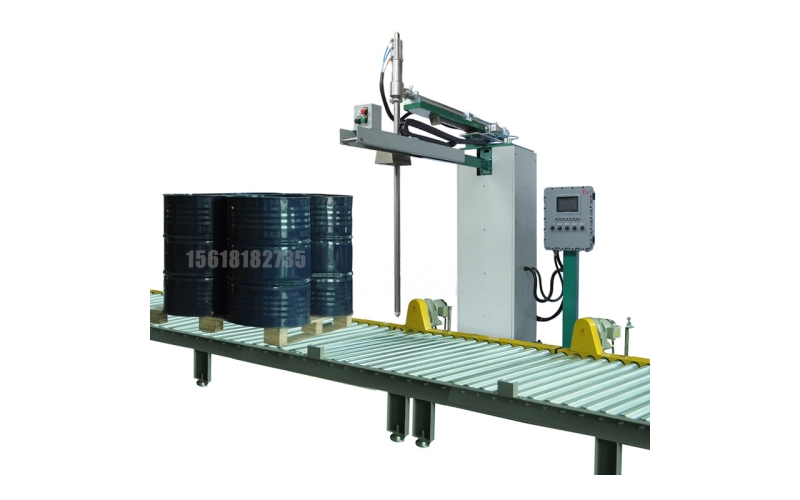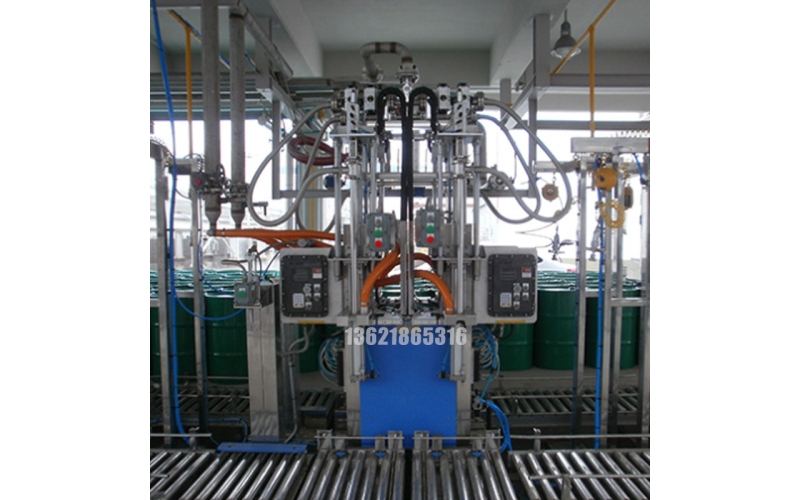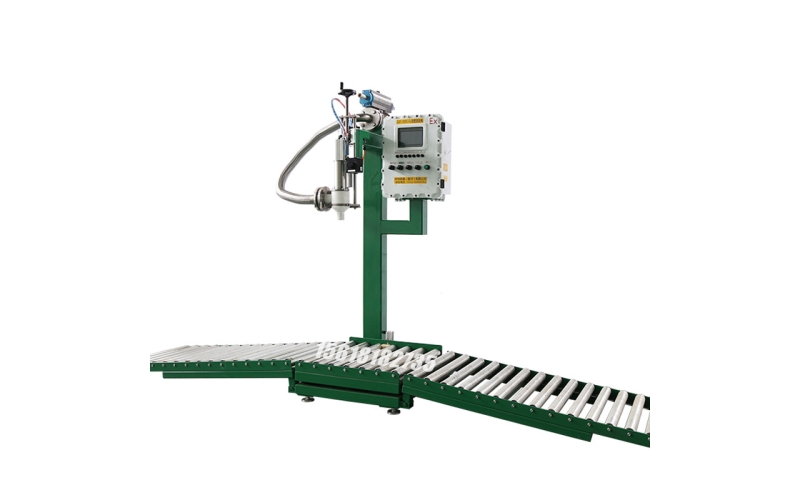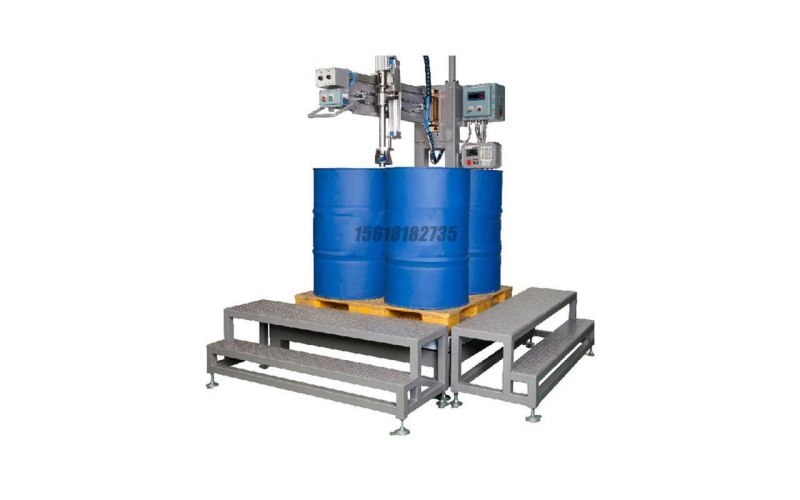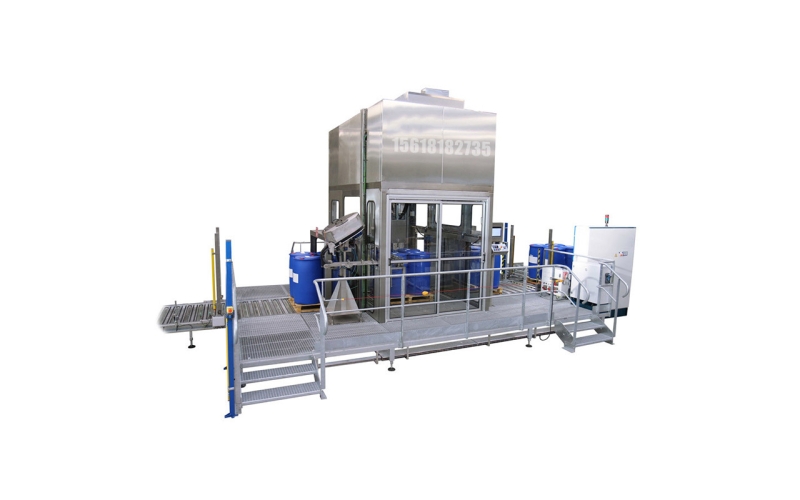
Conventional liquid and paste filling machines rely on fixed-volume single-component dosing, making them incapable of handling chemical reactive materials that expand and cure after mixing. Polyuretha
2026-09-02 admin 16
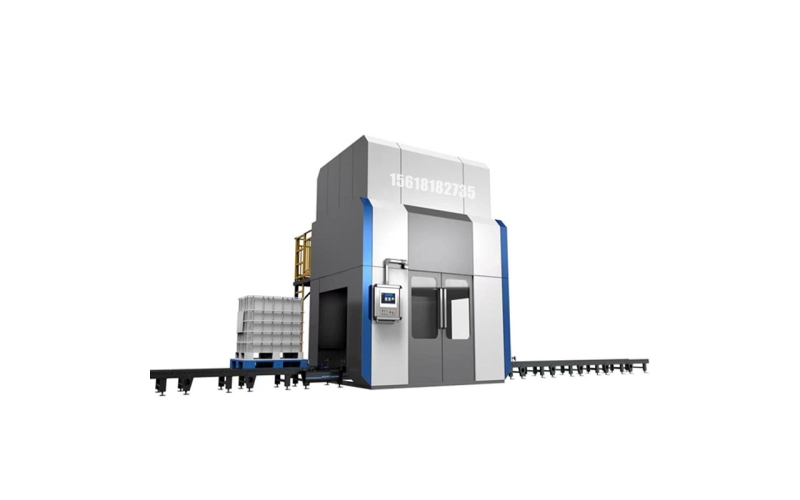
Ordinary industrial filling machines operate in open or semi-enclosed environments, exposing liquid materials to airborne bacteria, dust, and microbial contamination. Standard filling equipment lacks
2026-09-01 admin 12
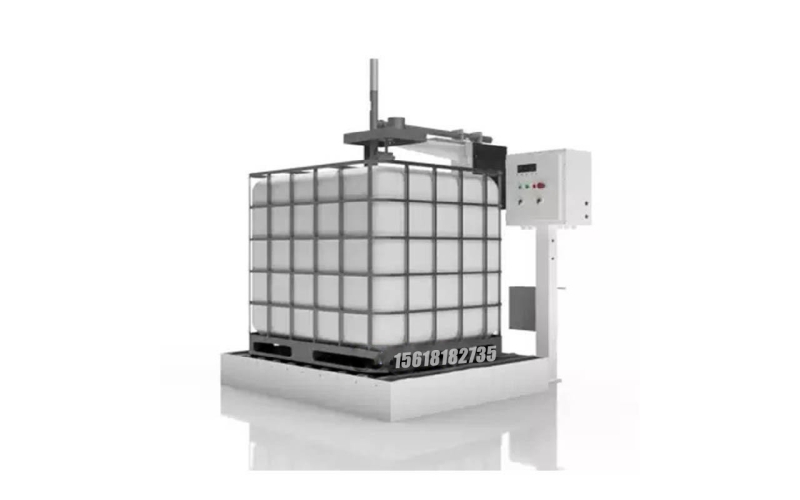
Nearly all conventional filling machines are engineered exclusively for liquid and viscous materials, making them completely incompatible with dry powder products. Liquid fillers rely on fluid flow, g
2026-08-31 admin 14
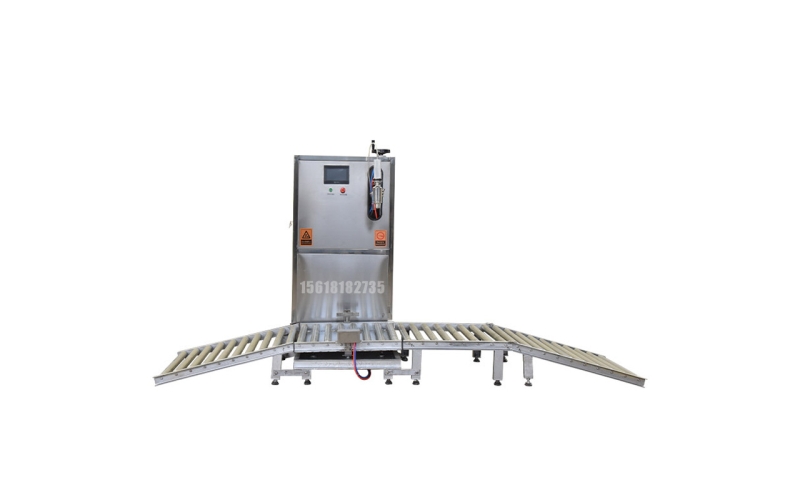
Linear filling machines are widely used for medium production lines but face obvious bottlenecks in high-volume industrial scenarios, including limited station space, low cycle efficiency, and unstabl
2026-08-28 admin 9
Most standard industrial filling machines face obvious limitations when handling medium and high-viscosity liquids containing fine particles. Gravity fillers rely on natural flow and fail to push thic
2026-08-27 admin 8
Many modern industrial filling solutions rely on complex pumps, sensors, or weighing systems that bring high purchase costs, tedious maintenance, and frequent calibration requirements. High-precision
2026-08-26 admin 13
Standard industrial filling machines face unavoidable limitations when processing temperature-sensitive, high-viscosity materials that thicken, solidify, or crystallize at room temperature. Ordinary p
2026-08-25 admin 8
Most industrial filling machines prioritize precise volume or weight dosing but ignore visual fill-level consistency, a critical selling factor for transparent bottled products. Volumetric and weight-
2026-08-24 admin 10