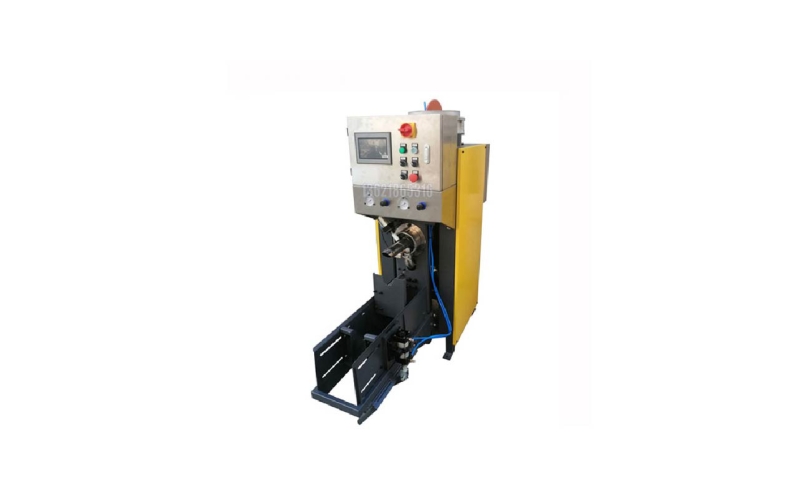
Traditional pouch, tray, and flow wrap packaging relies on physical sealing and folding, often leaving loose edges, air gaps, or vulnerable seams that compromise product integrity. Many consumer goods
2026-09-02 admin 11
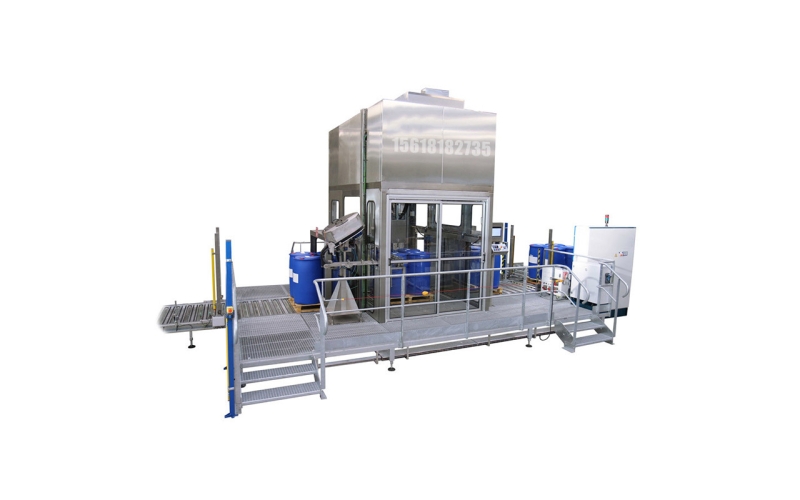
Conventional liquid and paste filling machines rely on fixed-volume single-component dosing, making them incapable of handling chemical reactive materials that expand and cure after mixing. Polyuretha
2026-09-02 admin 16
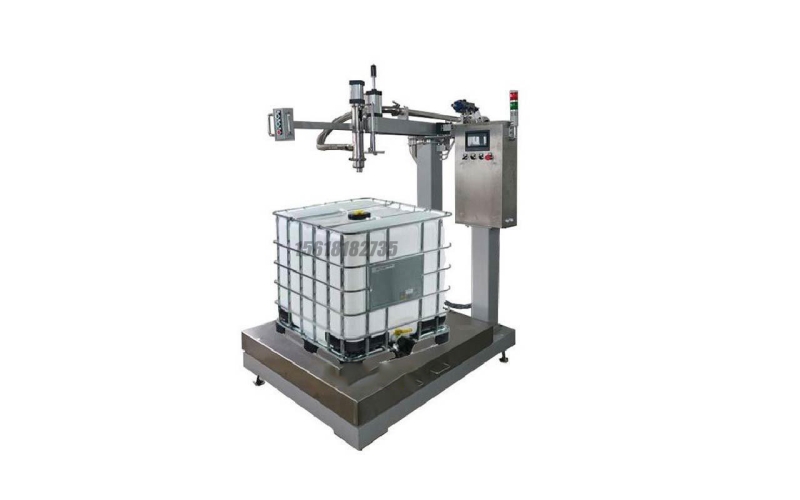
Most liquid and paste filling machines rely on gravity, pressure, or piston thrust, which are completely ineffective for dry powders, fine granules, and dusty bulk materials. Traditional manual powder
2026-09-02 admin 8
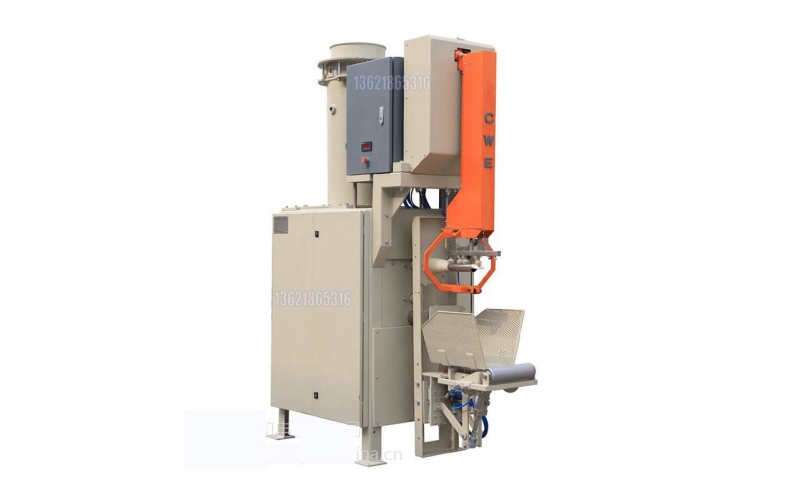
Vertical packaging and vertical form fill seal (VFFS) machines excel at granular, powdery, and regular small goods packaging but face obvious limitations with irregular, rigid, and fragile solid produ
2026-09-01 admin 11
Ordinary industrial filling machines operate in open or semi-enclosed environments, exposing liquid materials to airborne bacteria, dust, and microbial contamination. Standard filling equipment lacks
2026-09-01 admin 12
Standard liquid and paste filling machines are designed for open-container packaging and cannot adapt to sealed, pressurized aerosol can production. Conventional fillers lack crimping, propellant inje
2026-09-01 admin 10
Most conventional filling machines rely on pistons, gears, or screw structures that bring mechanical contact, shear force, and residual liquid buildup during operation. These traditional designs easil
2026-08-31 admin 14
Nearly all conventional filling machines are engineered exclusively for liquid and viscous materials, making them completely incompatible with dry powder products. Liquid fillers rely on fluid flow, g
2026-08-31 admin 14