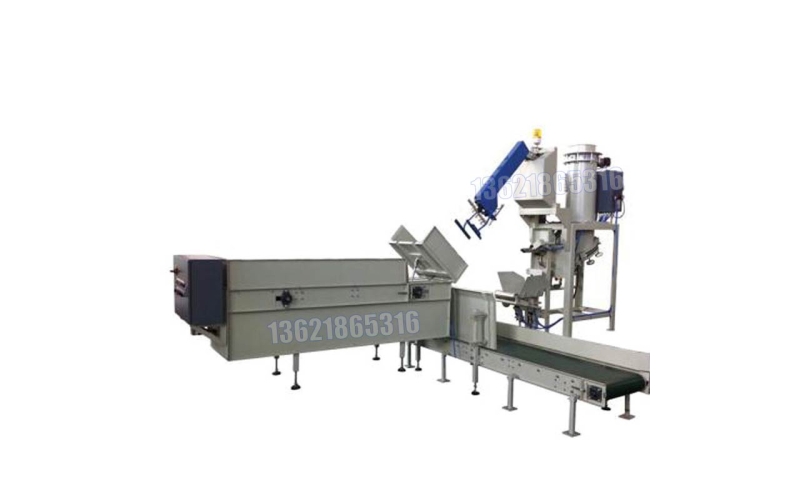
Many general packaging machines fail to deliver stable, high-speed packaging for irregular solid granules, mixed particles, and crisp granular products. Unlike liquid fillers or powder packaging syste
2026-08-19 admin 10
Most standard liquid filling machines struggle with foam-prone formulas, generating excessive bubbles, liquid overflow, and uneven filling levels that ruin product quality and cause massive material w
2026-08-18 admin 13
Fully automatic filling lines deliver high output but come with high upfront costs, large space requirements, and rigid setup processes that make them impractical for startups, small workshops, and pi
2026-08-18 admin 11
Most standard filling systems are designed for liquid, paste, or large solid products, making them ineffective for ultra-fine powders, micro granules, and dusty bulk materials. Liquid fillers cannot p
2026-08-18 admin 17
Linear filling systems dominate small and medium-batch production but face critical limitations in high-volume manufacturing, including low throughput, frequent bottle jams, and unstable synchronous o
2026-08-17 admin 18
Standard gravity and vacuum filling machines fail to handle carbonated, low-fluidity, and pressure-dependent liquids, causing gas loss, uneven filling, and product quality degradation in beverage and
2026-08-17 admin 16
Most traditional filling machines rely on fixed mechanical metering such as piston strokes, gear rotations, or timed gravity flow, which struggle with fluctuating liquid viscosity, temperature changes
2026-08-17 admin 13
While hot filling, vacuum filling, and traditional liquid bottling systems serve mainstream packaging needs, they fail to accommodate heat-sensitive beverage products that lose flavor, nutrients, and
2026-08-14 admin 15